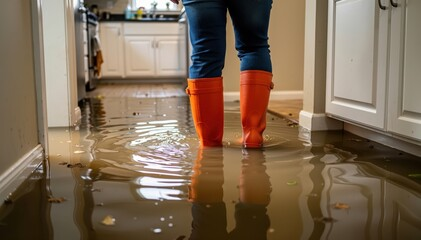
Water can be one of the most destructive elements when it enters a home unexpectedly. What starts as a small leak or minor flooding can quickly develop into a serious issue that affects walls, floors, and even the air quality inside your space. Water damage remediation is the process that helps stop this damage, restore affected areas, and prevent long term problems. Knowing how it works can help you respond quickly and protect both your property and your health. For more information, contact the expert at All Pro Services.
What Is Water Damage Remediation
Water damage remediation is the process of identifying, removing, and treating areas that have been affected by water intrusion. It goes beyond simple cleanup by focusing on eliminating moisture and preventing further damage.
This process includes removing standing water, drying out materials, and addressing any contamination that may have occurred. It also involves identifying the source of the problem to ensure it does not happen again.
Remediation is essential because water can seep into hidden areas such as behind walls or under flooring. If left untreated, this moisture can lead to structural damage and create an environment where mold can grow.
Common Causes of Water Damage
Water damage can happen in many ways, often without warning. One of the most common causes is plumbing issues. Leaking pipes, broken fixtures, or clogged drains can allow water to spread into surrounding areas.
Another major cause is weather related events. Heavy rain or flooding can introduce large amounts of water into a home, especially if drainage systems are not functioning properly.
Appliance failures can also lead to water damage. Washing machines, dishwashers, and water heaters can malfunction and release water unexpectedly. Even a slow leak can cause significant damage over time.
Poor ventilation and humidity control can contribute as well. Excess moisture in the air can lead to condensation, which may accumulate and cause damage in certain areas.
The Water Damage Remediation Process
The remediation process begins with a thorough assessment of the affected area. This step involves determining the extent of the damage and identifying the source of the water.
Once the assessment is complete, the next step is water extraction. Removing standing water quickly helps minimize further damage and reduces the risk of mold growth.
Drying and dehumidification follow. Specialized equipment is used to remove moisture from walls, floors, and other materials. This step is crucial to ensure that no hidden moisture remains.
Cleaning and sanitizing are also important parts of the process. Water can carry contaminants that need to be removed to maintain a safe environment. This step helps eliminate bacteria and unpleasant odors.
The final stage involves repairs and restoration. Depending on the severity of the damage, this may include replacing materials or making structural repairs to restore the space.
Signs You Need Water Damage Remediation
Recognizing the signs of water damage early can help you take action before the problem worsens. One common sign is discoloration on walls or ceilings, which may indicate that water has seeped into the material.
A musty odor is another warning sign. This smell often suggests the presence of moisture or mold, even if it is not visible.
Warped flooring or peeling paint can also indicate water damage. These changes occur when materials absorb moisture and begin to deteriorate.
Increased humidity levels inside your home may also signal a problem. If the air feels damp or uncomfortable, there could be hidden moisture that needs to be addressed.
Why Quick Action Matters
Time is a critical factor when dealing with water damage. The longer water remains in a space, the more damage it can cause. Materials can begin to weaken and lose their integrity within a short period.
Mold can start to develop quickly in damp conditions. Once it begins to grow, it can spread and become more difficult to remove. This can also affect indoor air quality and lead to health concerns.
Taking immediate action helps limit the extent of the damage and reduces repair costs. It also increases the chances of restoring materials rather than replacing them.
Preventing Future Water Damage
While not all water damage can be avoided, there are steps you can take to reduce the risk. Regularly inspecting plumbing systems can help identify leaks before they become serious problems.
Maintaining proper drainage around your home is also important. Ensuring that water flows away from the structure helps protect the foundation and interior spaces.
Checking appliances and replacing worn components can prevent unexpected failures. Keeping an eye on hoses and connections can make a big difference.
Improving ventilation and controlling humidity levels can also help. Using exhaust fans and ensuring proper airflow reduces moisture buildup and prevents condensation.
Long Term Effects of Water Damage
If water damage is not properly addressed, it can lead to long term consequences. Structural components such as wood and drywall can weaken over time, compromising the safety of the space.
Mold and bacteria can develop in moist environments, affecting indoor air quality and potentially causing health issues. These problems can persist if the source of moisture is not eliminated.
There can also be financial impacts. Delayed remediation often leads to more extensive repairs, which can increase costs significantly. Addressing issues early helps protect both your property and your budget.
Conclusion
Water damage remediation is a crucial process that helps restore your home and protect it from further harm. By understanding how it works and recognizing the signs of damage, you can take action before problems escalate.
Quick response, proper drying, and thorough cleaning are key to successful remediation. Taking preventive measures can also reduce the likelihood of future issues.
A safe and well maintained home starts with addressing problems at their source. With the right approach, water damage can be managed effectively, allowing you to maintain a healthy and comfortable living environment.